Creole vs. Cajun Cuisine: What You’ll Actually Experience in a New Orleans Cooking Class
If you’re coming to New Orleans, you’ve likely heard about both Creole and Cajun cooking. However, learning about the subtle differences will not only put things into perspective but also empower you to cook with greater skill and really allow the magic of these local cultures to come out in your dishes.
When you take a New Orleans School of Cooking class, you’ll find out more than just the difference between Cajun and Creole cuisine; you’ll gain access to a deeply authentic experience of many of our city’s most incredible culinary traditions.
The Key Differences Between Creole and Cajun Cuisine
Before diving into the experience, it helps to understand the basics.
Creole cuisine is often described as “city cooking,” influenced by a blend of French, Spanish, African, and Caribbean cultures. It tends to incorporate:
- Tomatoes
- Seafood
- Butter and rich sauces
Cajun cuisine, on the other hand, is considered “country cooking.” It developed from rural traditions and focuses on:
- Hearty, one-pot meals
- Pork, sausage, and crawfish
- Bold spices like cayenne and paprika
While both share ingredients and techniques, they deliver very different flavor experiences.
What You’ll Cook in a New Orleans Cooking Class
The biggest difference between reading about these cuisines and experiencing them is simple—you actually get to cook them!
In our hands-on New Orleans cooking class, you’ll have the opportunity to prepare dishes like:
- Gumbo
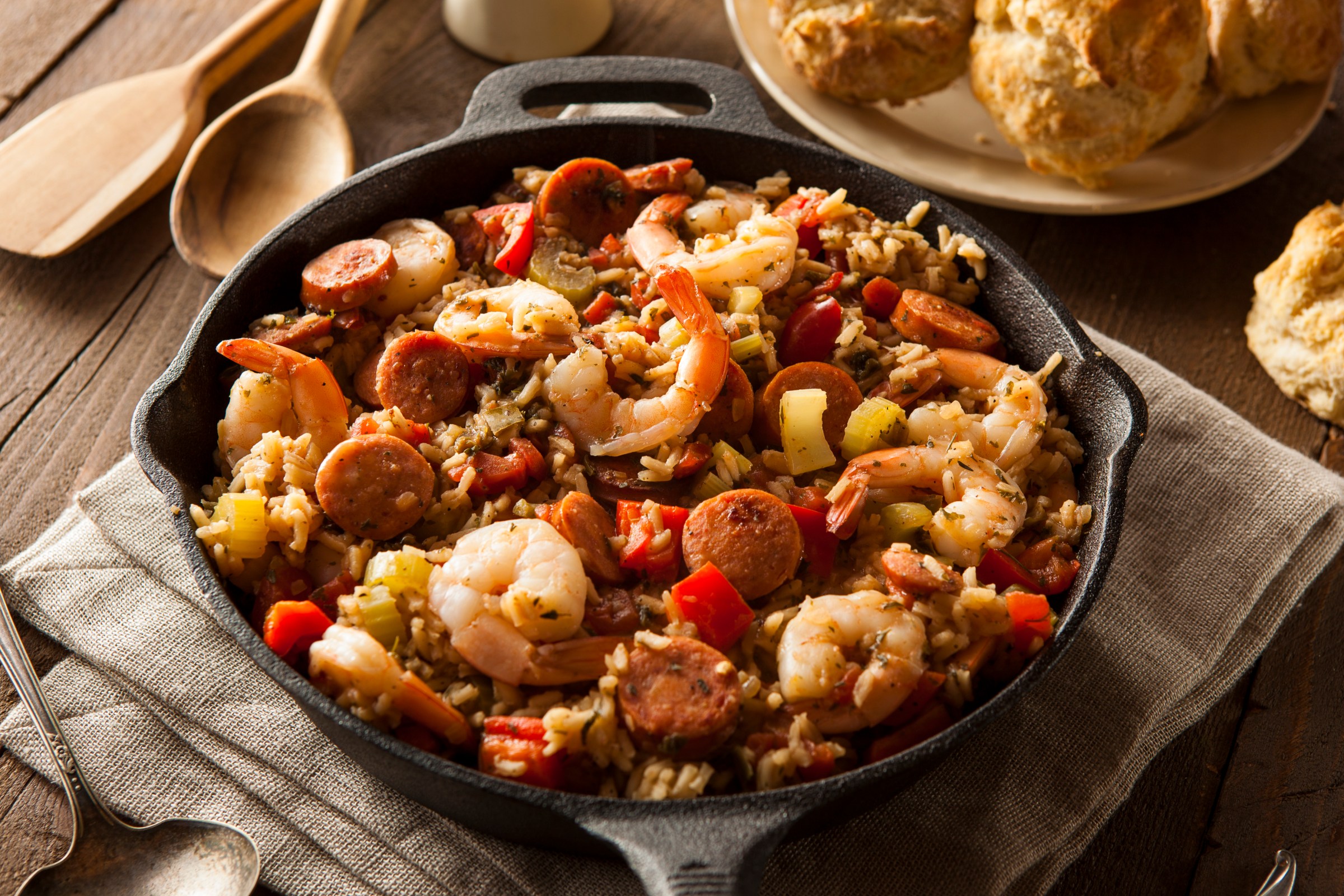
- Jambalaya
- Shrimp Creole
- Pralines
These dishes showcase both Creole and Cajun influences, giving you a full picture of Louisiana’s culinary identity.
The dishes you’ll learn to make will feature techniques from both Creole and Cajun cuisine so that you get a fuller understanding of what Louisiana has to offer.
The Creole Cooking Experience: Flavor, Technique, and Complexity
When you prepare Creole dishes, you’ll notice a focus on layered flavors and technique.
Creole recipes often involve:
- Building a roux
- Incorporating tomatoes and seafood
- Balancing herbs and spices
You’ll learn how multiple cultural influences come together in a single dish—something that makes New Orleans cuisine truly unique.
This style of cooking is often more refined and complex, making it a favorite for those who enjoy depth and nuance in their food.
The Cajun Cooking Experience: Bold, Rustic, and Hearty
We offer hands-on culinary classes as well as immersive demo cooking classes in the French Quarter, where you’ll see why cajun cooking feels completely different once you’re in the kitchen.
It’s:
- Faster-paced
- More rustic
- Focused on bold seasoning
You’ll work with ingredients like sausage, chicken, and spices to create hearty, satisfying meals that were originally designed to feed large families.
The emphasis is less on presentation and more on flavor, making Cajun cooking incredibly approachable and fun.
Why a Cooking Class Is the Best Way to Understand the Difference
Reading about the tastes and techniques of Creole and Cajun cooking can give some insight, but there is no greater teacher than practice!
In a class setting, you’ll:
- Taste both styles side by side
- Learn techniques directly from local chefs
- Understand how ingredients affect flavor
Getting the hands-on experience with true New Orleans chefs is an invaluable experience you’ll be sure to take practical wisdom from.
More Than Just Cooking — A Cultural Experience
A cooking class in New Orleans isn’t just about food—it’s about culture.
You’ll hear stories about:
- Louisiana history
- Local traditions
- The origins of iconic dishes
At New Orleans School of Cooking, classes combine entertainment, storytelling, and hands-on learning, making it one of the most memorable experiences you can have in the city.
Take the Flavors of New Orleans Home With You
One of the best parts of a cooking class is that the experience doesn’t end when you leave.
You’ll walk away with:
- Recipes you can recreate at home
- Cooking techniques you can use forever
- A deeper appreciation for New Orleans cuisine
Whether you’re a beginner or experienced in the kitchen, the skills you gain will stay with you long after your trip.
FAQ
What is the main difference between Creole and Cajun food?
Creole cuisine is more complex and influenced by multiple cultures, while Cajun food is rustic, bold, and rooted in rural traditions.
Do cooking classes in New Orleans teach both styles?
Yes, most classes include dishes that represent both Creole and Cajun cuisine.
Is a cooking class in New Orleans beginner-friendly?
Absolutely. Classes are designed for all skill levels.
What dishes will I learn to cook?
Common dishes include gumbo, jambalaya, pralines, and shrimp creole.
Ready to experience the flavors of New Orleans for yourself?
Visit https://neworleansschoolofcooking.com/ to book a hands-on cooking class and learn the art of Creole and Cajun cuisine from expert local chefs.